
Health · Whole Food · ~9 min read
Apple cider vinegar — blood sugar, digestion, and what “the mother” actually is.
Why a tablespoon before meals lowers post-meal glucose by 20–30%, what the cloudy living culture in the bottle actually does, and how to take it without damaging your teeth.
By George Hinestrosa · Personal experience & independent research
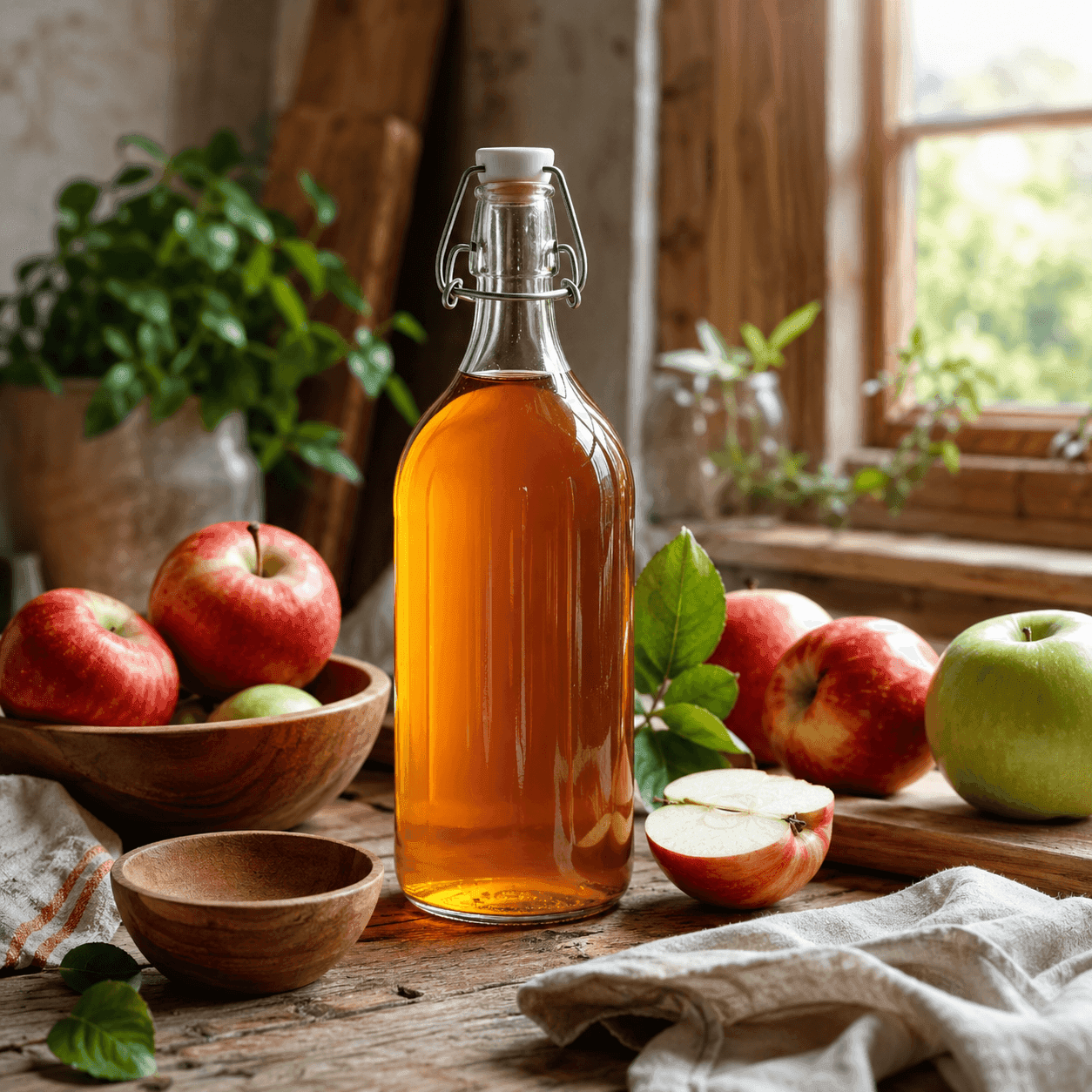
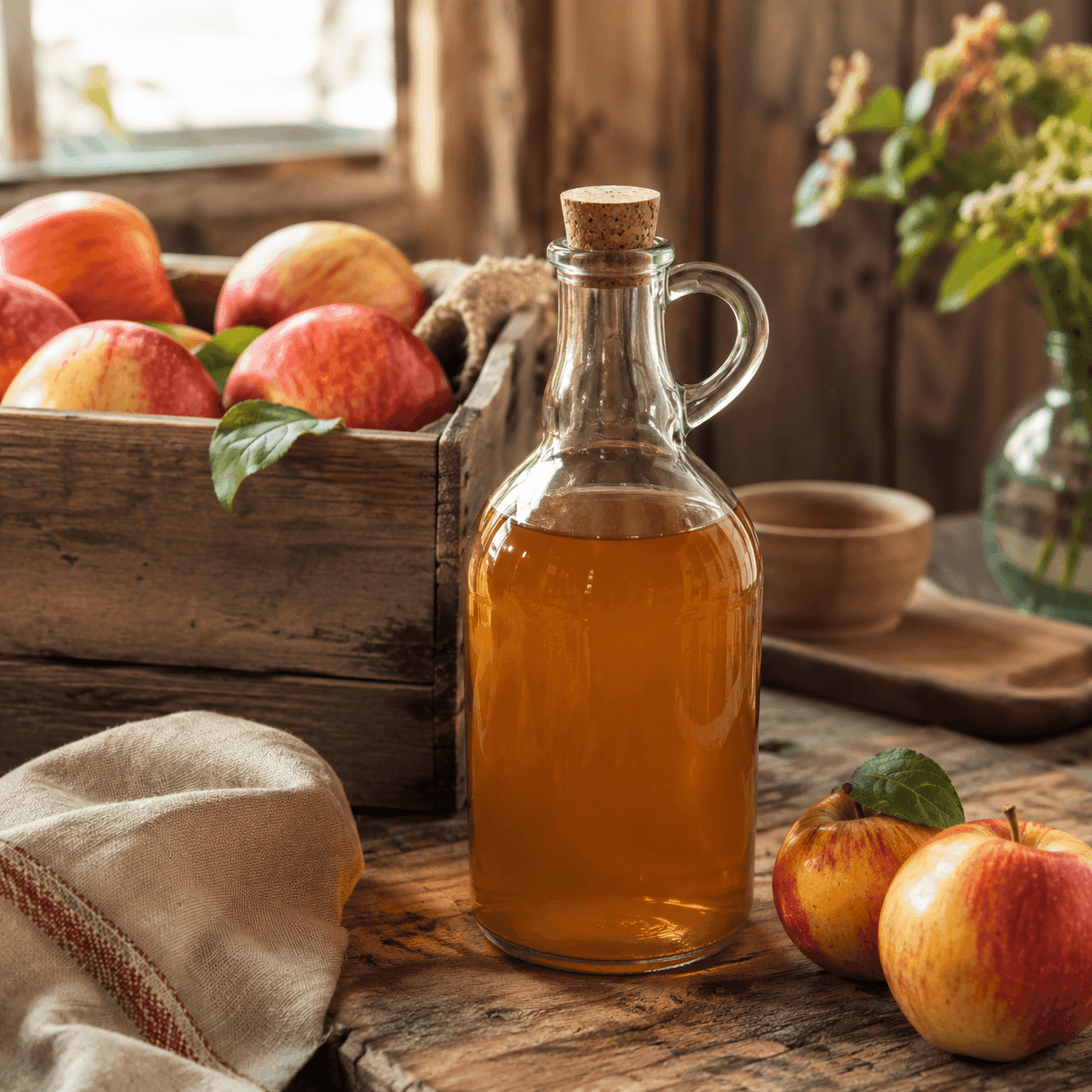
Apple cider vinegar is what you get when apples ferment twice: first into hard cider as yeast converts the sugars into alcohol, then into vinegar as acetic-acid bacteria convert the alcohol into acetic acid. The finished product is roughly 5–6% acetic acid in water, with a complex residue of polyphenols, enzymes, and (in the unfiltered version) a living culture called “the mother” that carries most of what makes raw ACV medicinal.
ACV is one of the older alt-health staples in the Western tradition. Hippocrates is reputed to have prescribed it mixed with honey as a tonic 2,400 years ago. American folk medicine carried it through the 19th and 20th centuries. The Bragg family (Paul Bragg and his daughter Patricia) popularized it across the wellness movement of the 1950s through the 2000s. And the modern clinical literature — particularly Carol Johnston’s work at Arizona State on blood sugar — has put concrete numbers on the effects that traditional use described qualitatively.
What follows is what raw ACV actually does, what the mother is, why pasteurized supermarket vinegar isn’t the same product, and how to use it daily without wrecking your teeth.
What “the mother” actually is
The cloudy, stringy, sometimes gelatinous substance you see floating in a bottle of raw ACV is the mother — a colony of acetic-acid bacteria (Acetobacter species), beneficial yeast, and the cellulose matrix they build as they ferment. It’s essentially a SCOBY (symbiotic culture of bacteria and yeast), the same kind of living culture that characterizes kombucha and water kefir.
The mother is what does most of the work that makes ACV different from generic distilled white vinegar from the supermarket cleaning aisle:
- Enzymes. Live digestive enzymes that support breakdown of food in the gut, particularly proteins and carbohydrates.
- Probiotic bacteria. The acetic-acid bacteria themselves, plus residual yeast colonies, that contribute to gut-microbiome diversity.
- Polyphenols. Apple-derived chlorogenic acid, quercetin, and other flavonoids that contribute antioxidant and anti-inflammatory activity.
- Trace minerals and B vitamins concentrated by the fermentation process.
Pasteurized, filtered ACV has none of this. The heat and filtering remove the live culture, kill the enzymes, strip the bacteria, and reduce the polyphenol content. What remains is mostly diluted acetic acid with some apple flavor. It’s not the same product.
Practical rule: if the bottle is clear and crystal-looking, it’s been filtered and probably pasteurized; put it back. If it’s cloudy with visible sediment and a strand or two of culture floating around, that’s real raw ACV.
Acetic acid — the primary active compound
Even before accounting for the mother, the acetic acid itself does substantial work. It’s broadly antimicrobial (effective against many bacteria, fungi, and some viruses), slows gastric emptying, partially inhibits the enzymes that digest carbohydrates, improves insulin sensitivity in muscle tissue, and modulates several metabolic signaling pathways.
Most of the clinical effects of ACV that have been documented in controlled trials trace primarily to the acetic acid — which means even cheap white vinegar will produce some of these effects. But the full medicinal value of ACV requires the mother alongside the acid.
Blood sugar — the most-documented effect
The most-studied clinical application of ACV is post- meal blood sugar regulation. The foundational research comes from Carol Johnston’s lab at Arizona State University; multiple subsequent trials have replicated and extended her findings.
What the research consistently shows: one to two tablespoons of ACV in water taken immediately before a high-carbohydrate meal reduces the post-meal blood glucose spike by 20–30% in healthy adults, and by similar or larger margins in pre-diabetic and type-2- diabetic populations. The effect is comparable in magnitude to standard pharmaceutical glucose-lowering interventions like metformin (though not a replacement for medication where needed).
The mechanisms are several:
- Acetic acid inhibits alpha-amylase, the enzyme that breaks dietary starches into glucose
- Acetic acid slows gastric emptying, spreading the carbohydrate load over a longer time
- Acetic acid improves insulin sensitivity in skeletal muscle, allowing glucose uptake at lower insulin concentrations
- Acetic acid mildly suppresses appetite, reducing total caloric intake at the meal
For anyone managing pre-diabetes, type 2 diabetes, metabolic syndrome, or just trying to avoid the blood-sugar roller-coaster that comes with a carb-heavy meal, ACV before meals is one of the cheapest and most reliable interventions in the food world. The benefit requires nothing more than remembering to drink the tablespoon-in-water about ten minutes before sitting down.
Digestion — the stomach-acid story
One of the traditional uses of ACV is as a digestive tonic before meals. The mechanism: many people, particularly older adults and those on acid-blocking medications, have low stomach acid. Low HCl produces a cluster of symptoms that mainstream medicine often misdiagnoses as too much acid — reflux, heartburn, bloating, undigested food sensations, poor mineral absorption.
A tablespoon of ACV in 4–8 oz of water 10–15 minutes before a meal does several things:
- Provides supplemental acid directly, supporting protein digestion and mineral solubilization
- Stimulates the body’s own gastric acid production through gastrin release
- Triggers bile flow from the gallbladder (the acidic-taste signal)
- Supports digestive enzyme release from the pancreas
For people with chronic indigestion, reflux that doesn’t make sense, or the general heavy-after-meals feeling, the pre-meal ACV practice is worth a 2-week trial. If symptoms improve, low stomach acid was likely part of the problem. If symptoms worsen, the issue is probably different (genuine hyperacidity, ulcer, H. pylori) and ACV isn’t the right tool.
Weight management
ACV has a modest but documented role in weight management. The 2009 Kondo et al. trial in Bioscience, Biotechnology, and Biochemistry documented that 1–2 tablespoons of ACV daily for 12 weeks produced modest weight loss (2–4 pounds) and a meaningful reduction in waist circumference and visceral fat in overweight Japanese adults compared with placebo.
The mechanisms are some combination of the blood-sugar effects (less insulin spiking, less fat-storage signaling), the appetite suppression, the slowed gastric emptying (longer satiety), and possibly direct effects on fat metabolism that the basic-science literature is still characterizing.
Don’t expect ACV to do the work of an actual dietary or exercise change. It’s a useful adjunct, not a primary intervention.
Antimicrobial action
Acetic acid is broadly antimicrobial. The food-preservation tradition of pickling rests on this; for thousands of years before refrigeration, immersing vegetables in vinegar was one of the few reliable ways to keep them from spoiling.
Practical antimicrobial applications:
- Diluted ACV (1:1 with water) as a household surface cleaner — effective against many common bacteria and some viruses
- As a vegetable wash to reduce surface pathogens (rinse afterward to remove the taste)
- Diluted ACV (1:3 with water) as a topical for athlete’s foot and other fungal skin infections
- Diluted ACV gargle for early-stage sore throat (1 tbsp in 8 oz warm water, gargle and spit)
Topical uses
- Hair rinse. Diluted ACV (2 tbsp in 8 oz water) poured over the hair after shampooing, left for 30 seconds, then rinsed. Closes the cuticle, removes product buildup, reduces dandruff for many people. The vinegar smell dissipates as the hair dries.
- Skin toner. Diluted ACV (1 part ACV to 3-4 parts water) dabbed on the face after cleansing as a toner. Mildly antimicrobial, helps balance skin pH. Skip for sensitive skin or active eczema.
- Acne spot treatment. Same dilution dabbed on individual blemishes.
- Sunburn relief. Cool diluted ACV compress applied to mild sunburns reduces stinging and may speed healing.
- Bug bite relief. Dabbed directly on mosquito or other minor bug bites to reduce itching.
All topical use should be diluted. Undiluted ACV applied to skin can cause chemical burns over time.
Forms — raw with the mother vs everything else
- Raw, unfiltered, with the mother. The form to buy. Cloudy, with visible sediment. Contains the full enzyme, bacteria, and polyphenol profile. Bragg, Vermont Village, Eden Foods, Dynamic Health all make quality versions.
- Pasteurized, filtered ACV. Crystal clear, shelf-stable, mostly just acetic acid in water with apple flavoring. Useful for cooking where the appearance matters; not the form for medicinal use.
- ACV capsules and gummies. The most marketed form, the least useful one. Acetic acid in pill or gummy form bypasses the digestive-stimulation effect entirely (the taste and stomach exposure are part of how it works). Capsules vary wildly in quality and dose. Gummies are usually sweetened with sugar that defeats the blood-sugar benefit. Skip both.
- ACV drinks (bottled). Pre-mixed ACV beverages with ginger, honey, fruit juices. Convenient but often diluted enough that you’re paying for water. Better to make your own.
Dosing — and the tooth enamel rule
- Standard daily: 1–2 tablespoons of ACV in at least 8 oz of water, 10–15 minutes before one or two meals daily.
- Maximum daily: 3–4 tablespoons total, divided across multiple meals. Going substantially higher doesn’t improve outcomes and increases the side-effect profile.
- For specific glucose management: 1 tbsp in 8 oz water immediately before each carbohydrate-containing meal.
- For digestive support: 1 tbsp in 4–8 oz water 15 minutes before meals.
Tooth enamel protection rules:
- Never undiluted. Acetic acid in concentrated form is genuinely damaging to teeth and esophageal tissue. The dilution is non-negotiable.
- Drink through a straw to bypass the front teeth.
- Rinse the mouth with plain water immediately after.
- Wait at least 30 minutes before brushing. Brushing on acid-softened enamel does more damage than the acid alone.
- For long-term daily use, consider hydroxyapatite remineralizing toothpaste or supplemental fluoride rinses if you have any history of enamel erosion.
Switchel — the traditional preparation
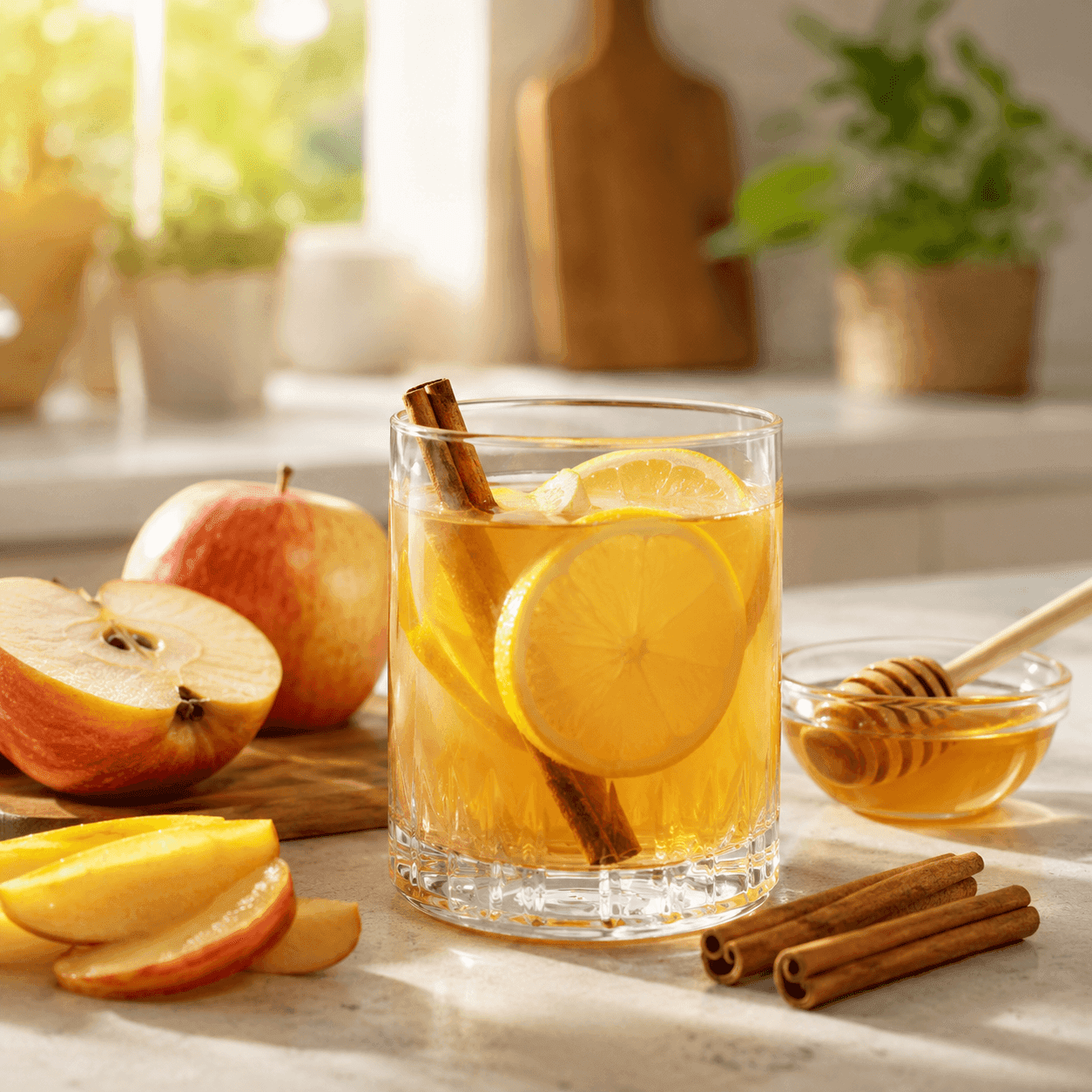
One of the oldest traditional uses of ACV is switchel — a farmer’s drink developed in the American colonies as a hydrating, electrolyte-replenishing beverage for haying season. The classic recipe:
- 2 tablespoons raw apple cider vinegar
- 1 tablespoon raw honey or pure maple syrup
- 1 teaspoon fresh-grated ginger (or 1/4 tsp powdered)
- A pinch of unrefined salt
- 16–24 oz of cold water
Stir, refrigerate for an hour to let the ginger steep, and drink throughout a day of physical work or hot weather. Switchel is genuinely refreshing, supports blood sugar and electrolytes simultaneously, and tastes substantially better than its component ingredients would suggest. It’s the original sports drink — predating Gatorade by about three hundred years.
Where I buy ACV
- Bragg Organic Raw Apple Cider Vinegar with the Mother — the reference product. The Bragg family brought ACV into modern American health practice; the brand is still the standard. Widely available, reasonably priced, consistent quality. The everyday default.
- Vermont Village Organic Apple Cider Vinegar — Vermont-made, organic apples, traditional fermentation methods. Visible mother in the bottle. Reliable alternative to Bragg.
- Eden Foods Organic Apple Cider Vinegar — longtime macrobiotic-tradition brand with consistently high quality control. Slightly more expensive than Bragg but cleanly produced.
- Dynamic Health Organic Apple Cider Vinegar — budget-friendly raw unfiltered option that still maintains quality. Useful for higher-volume culinary applications.
- Glass pour spout / dispenser — not strictly necessary, but having a measured pour spout on the ACV bottle makes daily dosing fast and consistent. The friction of measuring with a separate spoon is the most common reason people quit daily ACV after a few weeks.
Where to start
A typical starting point is one tablespoon of raw, unfiltered ACV (Bragg’s is the common reference brand) in 16 oz of water before lunch and again before dinner — through a stainless steel straw to bypass the front teeth, followed by a rinse with plain water. The two doses cover the two largest carbohydrate meals of the day; steadier post-meal energy and the absence of the usual mid-afternoon crash are the signals it’s doing something.
For longer days outdoors, switchel — honey, ginger, and ACV in water — is genuinely refreshing and holds up better than commercial sports drinks for sustained hydration without the sugar load.
An ACV salad dressing folds the daily dose into food without having to remember to drink it: 3 parts olive oil, 1 part ACV, a teaspoon of Dijon mustard, salt, pepper, and a clove of crushed garlic.
Closing
Apple cider vinegar is one of the cheapest, most accessible, most thoroughly-traditional medicinal foods in the Western pharmacopeia. The blood-sugar effect is real and well-documented. The digestive support is real for people with low stomach acid. The traditional uses — switchel, hair rinses, skin toners, food preservation — all rest on chemistry that holds up under modern scrutiny.
Buy the raw, unfiltered, with-the-mother kind. Skip the pasteurized supermarket version, the capsules, and the sugar-loaded gummies. Dilute it. Drink through a straw. Rinse after. Take it before meals.
One bottle of Bragg’s costs less than a single visit’s parking at a doctor’s office and does measurable work that the doctor probably won’t prescribe. The mother is alive in the bottle. Use it daily.
Sources & further reading
Studies cited
- Johnston, C.S. et al. (2004). Vinegar improves insulin sensitivity to a high-carbohydrate meal in subjects with insulin resistance or type 2 diabetes. Diabetes Care. — The foundational paper from the Arizona State Johnston lab on ACV’s glucose-lowering effect.
- Kondo, T. et al. (2009). Vinegar intake reduces body weight, body fat mass, and serum triglyceride levels in obese Japanese subjects. Bioscience, Biotechnology, and Biochemistry. — 12-week placebo-controlled trial documenting modest weight loss and waist-circumference reduction with 1-2 tablespoons ACV daily.
- Mitrou, P. et al. (2015). Vinegar consumption increases insulin-stimulated glucose uptake by the forearm muscle in humans with type 2 diabetes. Journal of Diabetes Research. — Mechanism study; documented direct improvement in skeletal-muscle glucose uptake after ACV consumption.
- Liljeberg, H. & Björck, I. (1998). Delayed gastric emptying rate may explain improved glycaemia in healthy subjects to a starchy meal with added vinegar. European Journal of Clinical Nutrition. — Demonstrated that the gastric-emptying-slowdown mechanism is part of how ACV reduces post-meal glucose.
Authorities & further reading
- Dr. Carol Johnston, Arizona State University — Principal researcher on the modern ACV-blood-sugar literature. Her lab has published the bulk of the rigorous human trials over two decades.
- Bragg's Apple Cider Vinegar — Patricia Bragg & Paul C. Bragg — The book-length popularization that brought ACV into modern American alt-health practice; the Bragg family is the lineage figure for the modern American use of this food.
- NutritionFacts.org — Vinegar archive — Dr. Michael Greger’s curated review of the published ACV literature, including the metabolic and weight-management studies.