
Health · Branded Products · ~9 min read
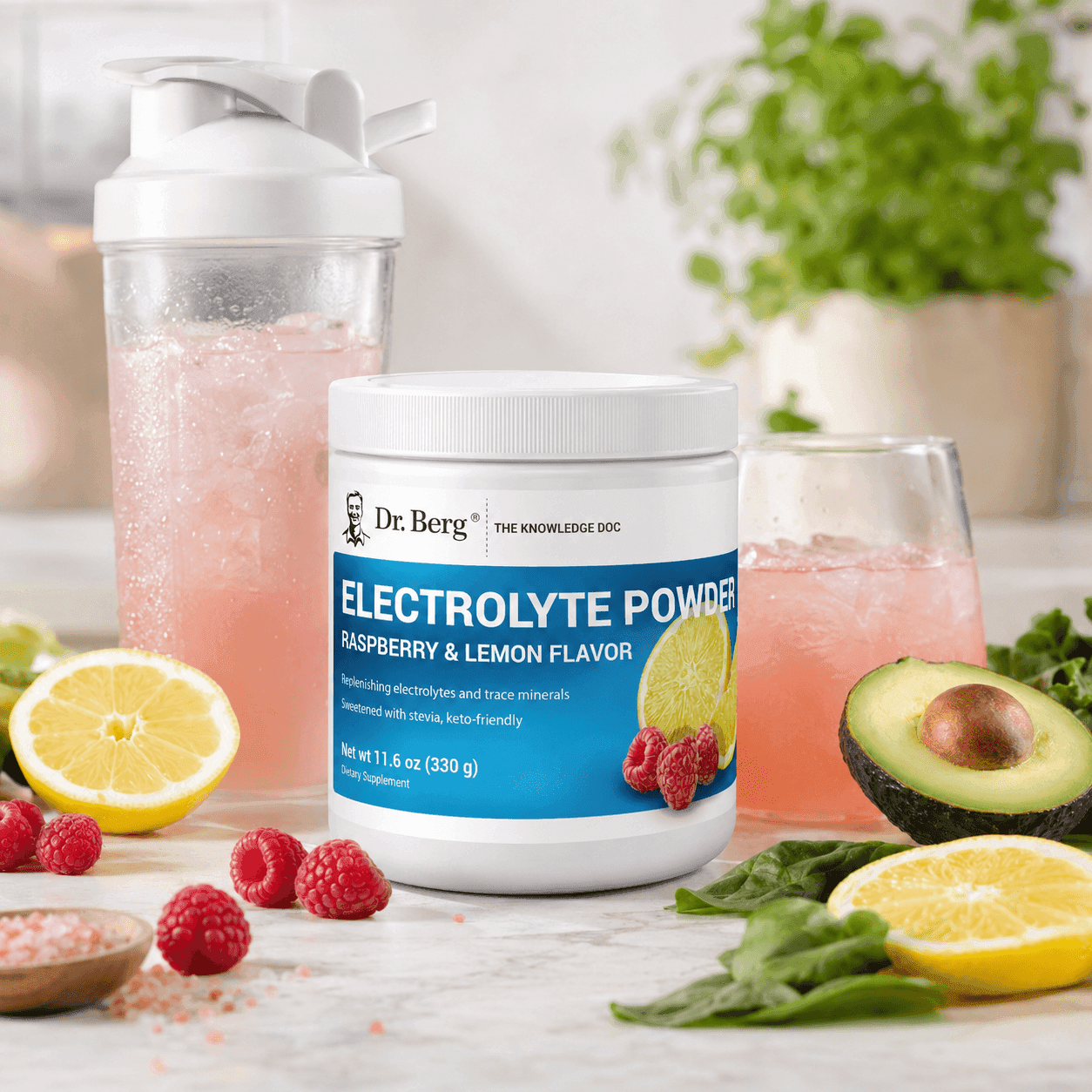
Berg’s Electrolyte Powder — 1,000 mg potassium per scoop.
Why the modern electrolyte category is sodium-heavy and potassium-light, what 4,700 mg of daily potassium actually means in practice, and where Berg’s product fits against the alternatives.
By George Hinestrosa · Personal experience & independent research
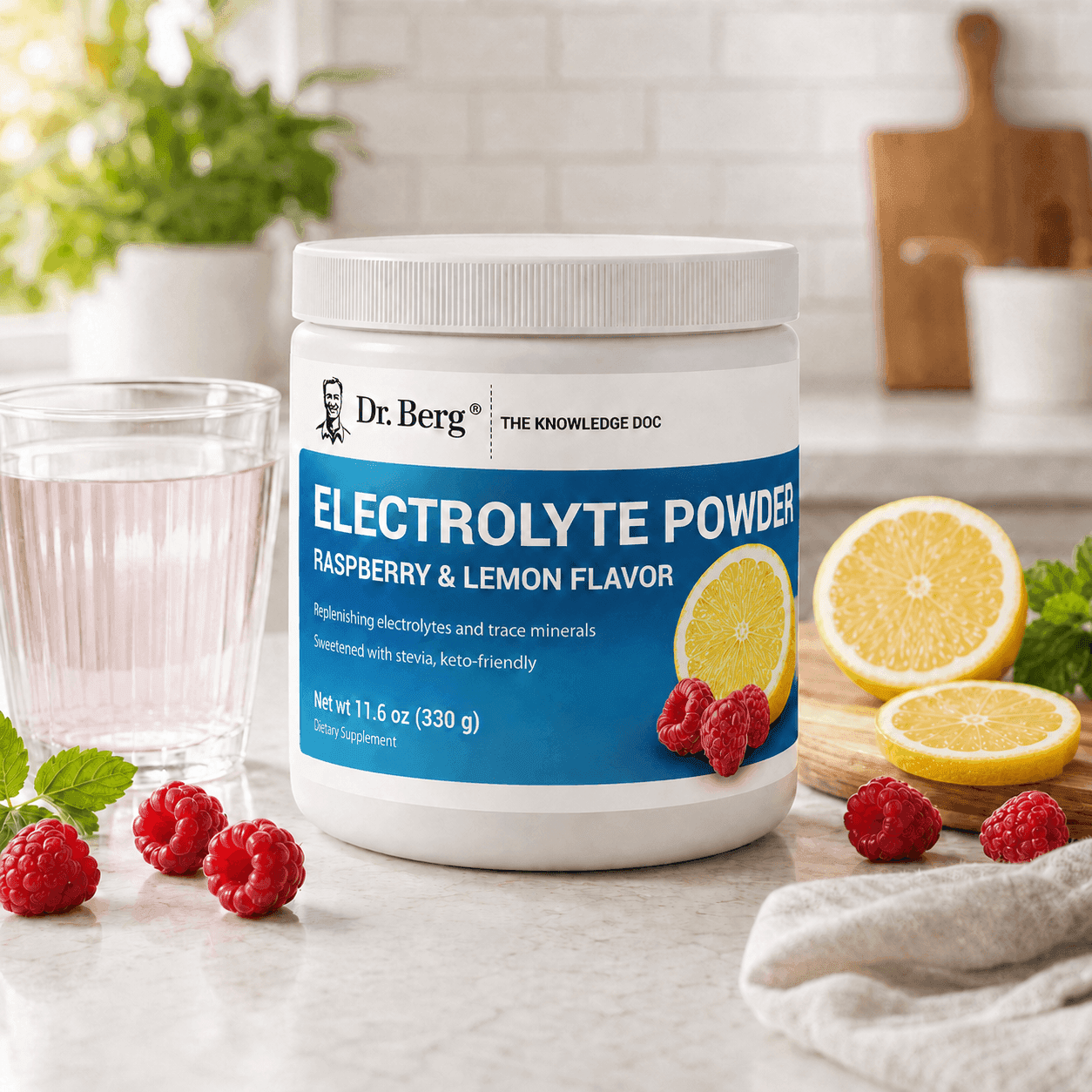

The electrolyte category exploded in the last decade. LMNT, Liquid IV, Ultima, Element, Re-Lyte, Hydralyte — a dozen brands now occupy the grocery store endcap that didn’t exist in 2015. The category exists for a real reason: the modern diet, particularly the modern lower-carb and intermittent-fasting eating patterns, produces electrolyte losses that the sports-drink companies were never designed to replace and that water alone can’t address. The keto flu, the fasting flu, the heat-loaded headache, the cramps at the end of a long sauna session — all of these are electrolyte stories.
What the modern electrolyte category mostly gets wrong is the ratio. Most of the popular products are sodium-heavy and potassium-light. LMNT, the most-marketed of the new generation, delivers 1,000 mg of sodium per stick but only 200 mg of potassium. The sodium dose is large and useful for fasting, sauna, and heat-loaded contexts. The potassium dose is meaningfully below what most people are actually short on.
Dr. Eric Berg’s product inverts the ratio. Each scoop delivers roughly 1,000 mg of potassium (the relatively high number that gets cited as the brand’s differentiator) and a smaller sodium dose, plus magnesium and calcium in reasonable ratios and no added sugar. The product is built around the position that potassium, not sodium, is the under-dosed electrolyte in the modern American diet.
This article walks through whether that position is right, what the recommended daily potassium intake actually means, how Berg’s product compares to the alternatives, and where it actually fits in a practical electrolyte strategy.
The 4,700 mg potassium target
The U.S. Adequate Intake for potassium for adults is 4,700 mg per day. The average American intake is roughly half that — somewhere between 2,500 and 3,000 mg, depending on the survey. The gap between intake and recommended is the largest of any major electrolyte. By comparison, average sodium intake (3,400 mg) is well above the recommended target (2,300 mg or less), in the opposite direction.
The potassium article in this section covers the full case for why this matters. Briefly: potassium is the dominant intracellular cation, essential for cell membrane function, nerve signaling, muscle contraction (including cardiac), insulin sensitivity, and blood pressure regulation. Chronic potassium insufficiency is implicated in hypertension, kidney stones, osteoporosis, and insulin resistance. The high-sodium-low-potassium ratio that characterizes the modern Western diet is more cardiovascular-toxic than either individual electrolyte’s absolute amount.
Closing the potassium gap is one of the highest- leverage dietary interventions available. Real food is the right first move — leafy greens, avocados, sweet potatoes, beets, beans, salmon, mushrooms, and bananas all carry substantial potassium. The potassium article covers the food approach in detail.
For people who aren’t reliably hitting the target through food — which is most modern Americans, including many who think they’re eating well — supplementation is the practical answer. And this is where Berg’s product earns its category position.
Why most electrolyte products under-dose potassium
The historical answer is regulatory. The FDA limits potassium content in individual dietary supplement servings to 99 mg without prescription labeling — a holdover from old concerns about potassium chloride tablet ulceration in the GI tract. The limit applies specifically to single-source potassium supplements; products that deliver potassium as part of a broader formula or in food-form (potassium citrate, potassium gluconate, dried fruits, vegetable powders) can exceed it.
Most electrolyte products bump up against the 99 mg threshold and decide it’s not worth the regulatory complexity of going higher. LMNT’s 200 mg per stick is already above the single-source threshold because it’s formulated as a mineral blend rather than a potassium supplement specifically. Berg’s 1,000 mg per scoop reflects the company’s specific position that the dose matters more than the regulatory simplicity.
The practical implication: products at the 100-200 mg potassium level make a small dent in the daily target. Products at the 1,000 mg level make a substantial dent. If closing the potassium gap is your goal, the dose differential matters.
What’s actually in the product
Each scoop of Berg’s Electrolyte Powder delivers roughly:
- Potassium — 1,000 mg (from potassium citrate)
- Sodium — roughly 50 mg (substantially lower than LMNT or Re-Lyte)
- Magnesium — 65 mg (modest dose, supportive but not a replacement for the night-time glycinate covered in the magnesium article)
- Calcium — 75 mg
- Trace minerals including chloride and a small amount of additional micronutrients
- Flavoring — natural fruit flavors with stevia. Mild, drinkable, but not as polished as the LMNT flavor profile.
- No added sugar and no artificial sweeteners. The taste is accordingly less “dessert” than the sugar-sweetened sports drink category and more “mineral water with a hint of fruit” than the LMNT range.
When this product is the right choice
Berg’s product earns its place in the kitchen for several specific use cases:
Daily potassium baseline. If you’re aware your diet doesn’t consistently hit 4,000+ mg potassium from food (most people don’t), one scoop daily closes a meaningful fraction of the gap. The food-first principle still applies — eat the vegetables and the avocado and the salmon — but the product is a sensible insurance policy.
Fasting protocols. During extended fasts (24+ hours), potassium loss increases as insulin drops and the kidneys excrete more freely. The fasting article in this section covers the electrolyte protocol. Berg’s product is the alt-health-standard choice for fasters specifically because of the potassium content.
Keto adaptation. The first weeks of ketogenic eating produce substantial electrolyte losses through similar mechanisms. The “keto flu” is mostly electrolyte depletion, and potassium is usually the most consequential element to replace.
Sauna and hot exercise. Sweat losses include both sodium and potassium (sweat sodium is higher absolutely, but the relative deficit pattern is usually potassium- limited because dietary sodium is abundant and dietary potassium isn’t). The sauna article covers the broader case.
Hypertension management. The DASH diet research consistently shows that increasing potassium intake (with adequate magnesium) lowers blood pressure as effectively as or more effectively than reducing sodium intake alone. For someone managing borderline hypertension through diet, potassium supplementation is one of the highest-leverage interventions. (Clinical supervision matters here given the kidney and medication interactions noted in the disclaimer.)
When LMNT is the better choice
The honest comparison: LMNT and Berg’s product occupy different category positions and each is better for different contexts.
LMNT’s 1,000 mg sodium per stick is the right dose for the sodium-loaded use cases: extended fasting where total sodium loss is substantial, intense sweat sessions, heavy endurance work, or the active phase of keto adaptation when sodium losses are at their highest. The 200 mg potassium dose is smaller but still useful in those contexts.
Berg’s product is the right dose for the potassium-deficient baseline that most modern adults are running on — the daily insurance policy, the mild-exercise replacement, the fasting protocol where potassium gap-closure matters more than aggressive sodium loading.
Many serious users alternate between them, using LMNT for heavy-sweat or fasting days and Berg’s for daily baseline. The two products together cost more per serving than either alone, but they cover different territories in the electrolyte landscape that no single product currently combines well.
The honest downsides
Price per serving. Berg’s product is priced in the premium tier of the electrolyte category. The cost-per-gram of potassium is lower than buying multiple LMNT sticks would be, but higher than assembling the same nutrients from individual mineral salts plus real salt.
Flavor. The flavor is acceptable but not great. LMNT and Re-Lyte have invested more in flavor formulation and produce a more palatable drinking experience. Berg’s is drinkable; it isn’t enjoyable in the way well-flavored electrolyte products are. For daily use, this matters more than people initially expect.
Sodium is too low for sweat-heavy contexts. One scoop delivers around 50 mg of sodium — a fraction of what a serious sweat session or extended fast actually loses. For those contexts, either add a pinch of real salt to the Berg drink, or use a sodium-heavy product like LMNT instead.
The Dr. Berg ecosystem context. Dr. Eric Berg is a vocal alt-health content producer with a substantial YouTube following. His commentary spans the conventional nutritional spectrum from solid (potassium importance, magnesium emphasis, keto basics) to more speculative claims at the edges. The product itself is straightforwardly a well-formulated potassium-heavy electrolyte mix; consumers should evaluate the broader content stream on its own merits.
Products I’d recommend
The product itself plus the alternatives across the category.
Dr. Berg’s Electrolyte Powder is the standout potassium-forward choice. 1,000 mg per scoop, no sugar, no artificial sweeteners. The right product for daily potassium-gap closure and for fasting protocols where potassium is the limiting factor.
LMNT Recharge is the sodium-forward complement. 1,000 mg sodium per stick, 200 mg potassium, 60 mg magnesium. Right product for heavy-sweat contexts, keto adaptation, and active extended fasting. Premium price, well-developed flavor profile.
Redmond Real Salt is the DIY foundation. A pinch in a glass of water provides natural sodium plus trace minerals at a fraction of the cost of any branded electrolyte product. Combine with a small potassium chloride dose and a magnesium glycinate capsule and you’ve assembled the equivalent of the premium products for pennies per serving. Less convenient; substantially cheaper.
Ultima Replenisher is the budget option that still delivers a reasonable mineral profile. Lower doses across the board than Berg or LMNT but no added sugar, natural flavoring, and a price point that makes daily use sustainable.
NOW Foods Potassium Chloride Powder is the bulk DIY option for serious potassium-gap-closure. A teaspoon delivers roughly 1,000 mg potassium for a fraction of the cost of any branded product. Tastes substantially saltier and less pleasant than the branded mixes; works fine in lemon water or mixed with other flavor masks. Worth knowing about for the cost-conscious.
The bottom line
The modern electrolyte category is dominated by sodium-heavy products built around the high-performance-athlete use case. The actual deficiency pattern in the broader population is potassium-limited — the average American consumes roughly half the recommended daily potassium intake while consuming more sodium than recommended.
Dr. Berg’s Electrolyte Powder is the standout product addressing the potassium-deficit side of the equation. One scoop closes a meaningful fraction of the daily potassium gap, without sugar or artificial sweeteners, in a drinkable (if not exceptional) format. The right choice for daily potassium baseline, for fasting protocols, for keto adaptation, and for anyone working on the high-potassium DASH-style approach to blood pressure management.
For sodium-heavy contexts (extended fasts, heavy sweat sessions), LMNT remains the better single-product choice. Many serious users keep both on hand and choose based on the specific day’s demands. The DIY assembly — Redmond Real Salt plus potassium chloride powder plus magnesium glycinate — outperforms both on cost per serving for anyone willing to manage the additional complexity.
The closing principle, true across this whole section: food first, individual supplementation second, branded convenience products third when they fit your life. Berg’s product earns its place in that third tier for a specific reason — it delivers a higher potassium dose than the category alternatives, in a clean formulation, addressing a real deficiency pattern in the modern diet. That’s a defensible position in a crowded market.
Sources & further reading
Potassium intake and cardiovascular outcomes
- Aburto NJ, Hanson S, Gutierrez H, et al. Effect of increased potassium intake on cardiovascular risk factors and disease: systematic review and meta-analyses. BMJ. 2013;346:f1378.
- Whelton PK, He J, Cutler JA, et al. Effects of oral potassium on blood pressure: meta-analysis of randomized controlled clinical trials. JAMA. 1997;277(20):1624-32.
- Appel LJ, Moore TJ, Obarzanek E, et al. A clinical trial of the effects of dietary patterns on blood pressure (DASH trial). New England Journal of Medicine. 1997;336(16):1117-24.
American potassium intake gap
- National Academies of Sciences, Engineering, and Medicine. Dietary Reference Intakes for Sodium and Potassium. 2019 — establishes the 4,700 mg adequate intake target.
- Cogswell ME, Zhang Z, Carriquiry AL, et al. Sodium and potassium intakes among US adults: NHANES 2003-2008. American Journal of Clinical Nutrition. 2012;96(3):647-57.
Electrolyte loss during fasting and exercise
- Cahill GF Jr. Fuel metabolism in starvation. Annual Review of Nutrition. 2006;26:1-22.
- Sawka MN, Burke LM, Eichner ER, et al. American College of Sports Medicine position stand: Exercise and fluid replacement. Medicine & Science in Sports & Exercise. 2007;39(2):377-90.
Authority figures
- Berg E. Public commentary on potassium and electrolyte management, particularly for keto and fasting contexts — YouTube channel.