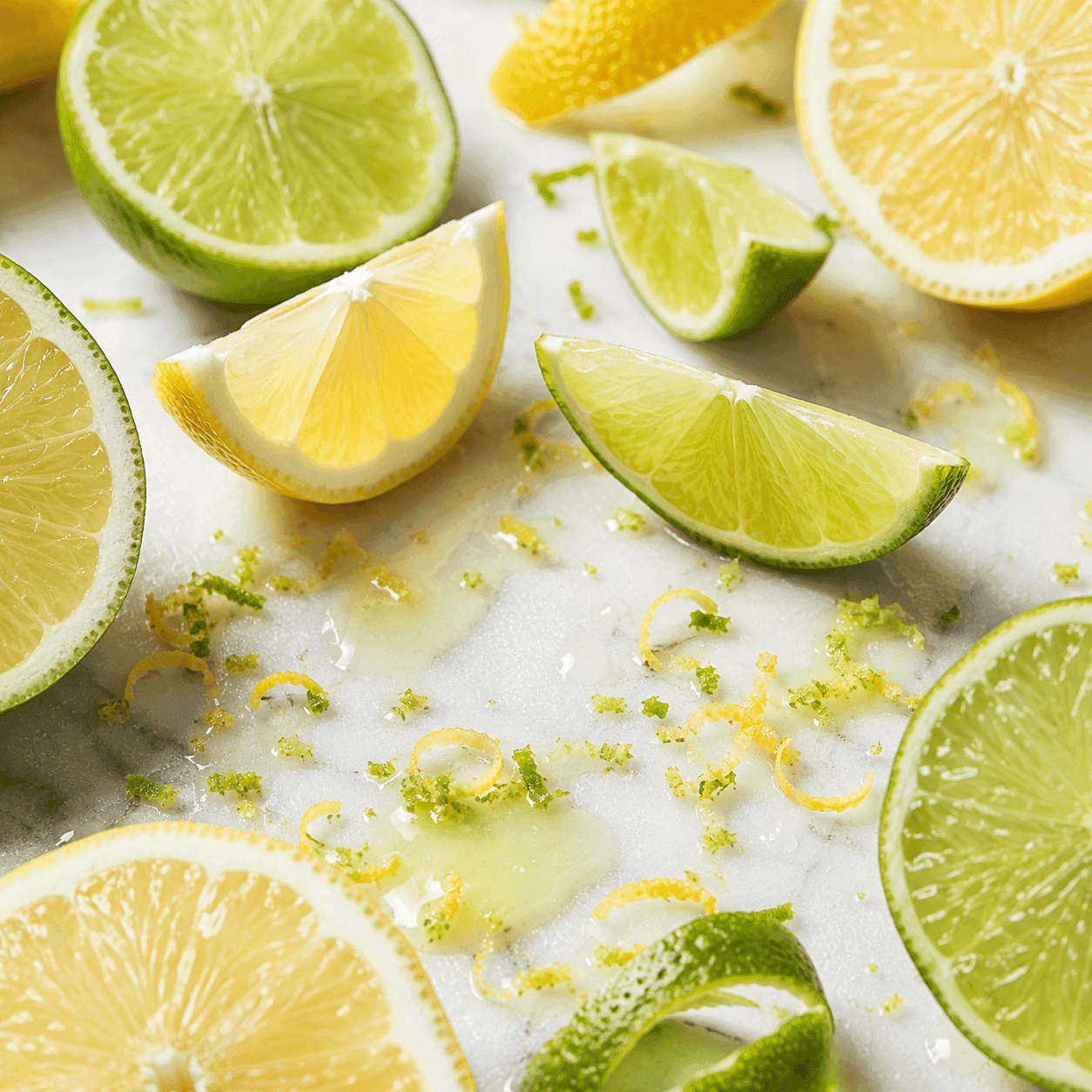

Health · Whole Food · ~9 min read
Limes and lemons — the daily liver habit hiding in plain sight.
Why these acidic fruits are alkalizing inside the body, why warm lemon water first thing in the morning has outlived every fad of the last fifty years, and what limonene in the peel is actually doing.
By George Hinestrosa · Personal experience & independent research
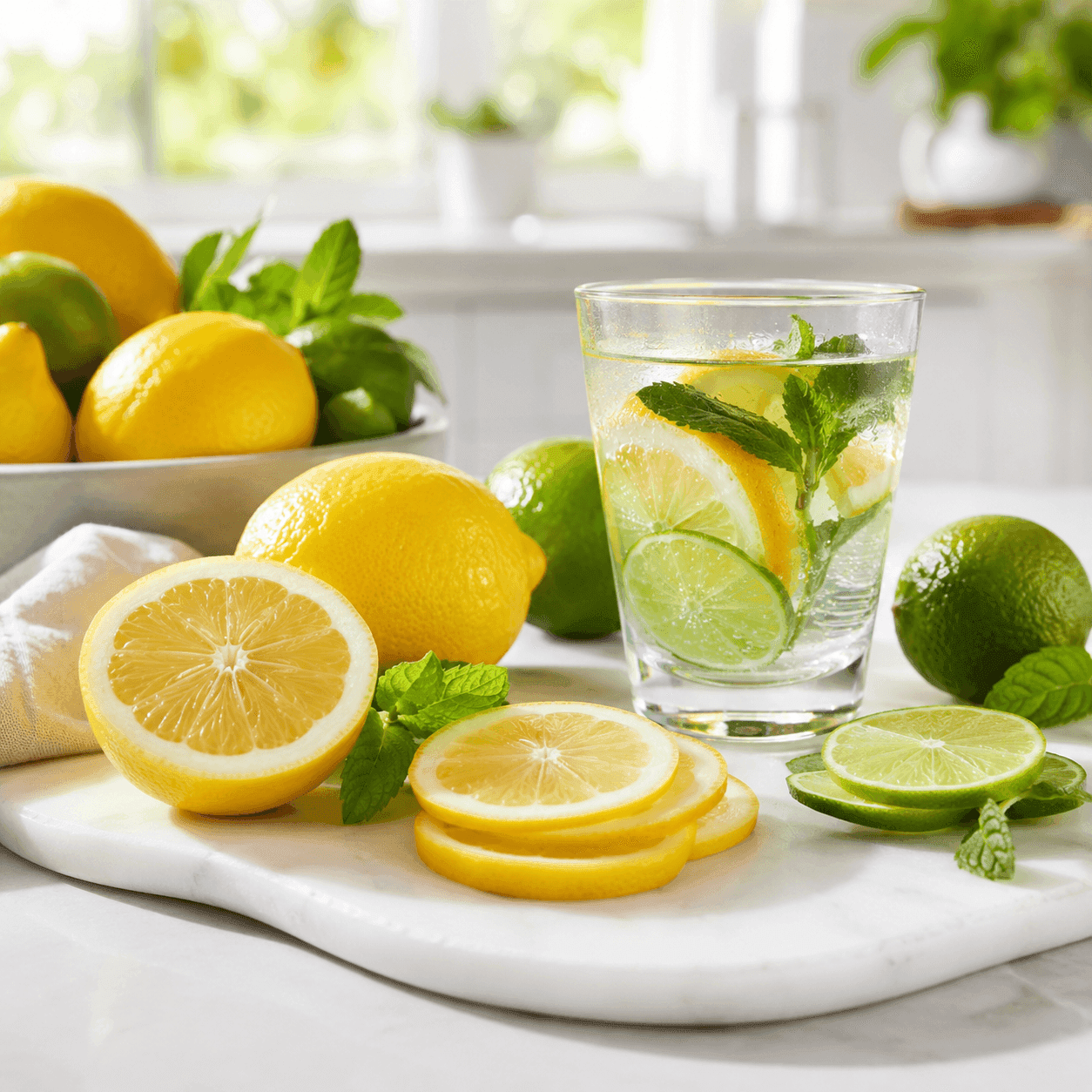

Lemons and limes belong to that small and useful category of foods that are simultaneously cheap, accessible, broadly available, well-tolerated, and genuinely therapeutic. The daily glass of warm water with the juice of half a lemon is one of those habits that’s survived every alt-health fad of the last fifty years because it actually does what the people who recommend it say it does. The cost is a few cents. The return compounds.
What sits underneath: a modest dose of real-food vitamin C, citric acid that interacts with stomach acid and bile production, the alkalizing mineral residue that follows citrate metabolism, the limonene and flavonoids in the peel, and the small amount of soluble fiber in the pith and seeds. None of it is dramatic in isolation. Together and daily, the effect is real.
The alkalizing question
The single most-disputed claim in the lemon literature is that lemons — an acidic fruit — are “alkalizing” inside the body. Mainstream nutrition reflexively dismisses this; the alt-health literature insists on it. Both are partially right.
The chemistry: citric acid in lemons gets metabolized in the body to carbon dioxide and water, leaving behind the alkaline mineral residues (potassium, calcium, magnesium) that the fruit carried. That mineral residue does raise urinary pH, which is what the alt-health framing is actually pointing at. The blood pH itself doesn’t shift — it can’t, the body holds it in a tight range — but the kidneys excrete less acid, and the body uses less mineral reserve to maintain pH homeostasis.
Why this matters in practice: people on the standard modern Western diet (grain-heavy, meat-heavy, low in fruits and vegetables) generate a lot of acid load that the kidneys have to excrete, often pulling calcium and magnesium from bone to do it. Daily citrus is one of the simpler interventions for blunting that load. It’s not magic. It’s just mineral chemistry, daily.
The morning lemon water practice
One glass (8–16 oz) of warm water with the juice of half a lemon (or one whole lime), first thing in the morning, before coffee or food. The practice goes back at least to traditional Ayurveda; it’s been carried forward by modern alt-health practitioners across traditions.
What it actually does:
- Hydration. The first volume of water of the day, after 7–9 hours of dehydrating sleep. Most people don’t drink enough water in the morning; lemon makes it palatable and the habit sticks.
- Mild stomach acid stimulation. The citric acid signals the stomach to ramp up hydrochloric acid production for the day’s meals. Especially useful for people with chronically low stomach acid (common with age, with PPI use, with chronic stress).
- Bile flow. Acidic taste on the tongue stimulates bile release through the cephalic phase of digestion. Bile is the fat-emulsifier and the body’s primary route for excreting cholesterol and certain toxins. Daily bile movement supports liver function.
- Vitamin C uptake. 30 mg of real-food vitamin C, on an empty stomach, well-absorbed. A meaningful baseline contribution to the day’s total.
- Mineral setup. The potassium, calcium, and magnesium ions in the citrus reach the gut at a moment when the digestive tract is in absorptive mode after sleep.
None of this is dramatic in any single morning. The compounding effect over years is the entire point.
Vitamin C — real-food versus synthetic
A medium lemon delivers roughly 30 mg of vitamin C; a medium lime, about 19 mg. The RDA is 75–90 mg. Daily citrus is a meaningful contribution but not the whole picture — peppers, broccoli, kiwi, and strawberries all deliver more per serving.
What citrus brings that supplemental ascorbic acid doesn’t: the food-matrix cofactors that come with naturally occurring vitamin C. Flavonoids like hesperidin (in the white pith) and naringin enhance vitamin C absorption and add their own antioxidant and anti-inflammatory action. Bioflavonoids and vitamin C were historically grouped as “the vitamin C complex” for exactly this reason — they were discovered and originally studied together, and they work synergistically.
For most everyday purposes, daily citrus plus a vegetable-rich diet covers vitamin C without any need for supplementation. For acute illness, higher doses through supplementation can be useful (see the relevant alt-health literature on Linus Pauling’s high-dose vitamin C protocols).
Liver and bile support
The liver is the body’s primary detoxification organ, running phase I and phase II enzyme systems that process everything from alcohol to environmental toxins to the body’s own metabolic byproducts. Bile is the liver’s output route — what gets processed leaves through the bile duct, into the intestine, and eventually out.
Citrus supports this in several ways:
- Bile stimulation. The taste of acid on the tongue and the citric acid hitting the small intestine both stimulate bile release. Sluggish bile is a common cause of poor digestion, fat malabsorption, and the constipation that comes with both.
- D-Limonene from the peel. The compound responsible for the citrus smell; concentrated in the peel. Limonene specifically supports phase II liver detoxification and has documented effects on gastric reflux (a 1 g daily dose of limonene resolved GERD symptoms in 89% of subjects in one small trial).
- Glutathione support. Vitamin C supports glutathione recycling, and glutathione is the body’s master detox molecule. Daily citrus supports the substrate for the liver’s most important antioxidant pool.
- Citrate alkalinization. The same alkalizing effect that helps the kidneys reduces the metabolic acid load the liver has to process.
Kidney stone prevention
One of the most underappreciated effects of citrus is kidney-stone prevention. Most kidney stones (about 80%) are calcium-oxalate stones. They form when the urine contains high calcium plus high oxalate plus low citrate.
Citrate — from citric acid in lemons and limes — binds urinary calcium, preventing it from crystallizing with oxalate. Daily citrus intake raises urinary citrate and substantially reduces stone-formation risk in people with a history of stones.
The standard alt-health stone-prevention protocol is the juice of one to two lemons in 32–64 oz of water daily. Urologists who pay attention to nutrition generally agree on this practice. It works through simple, well-characterized chemistry.
The peel — the underused part
Most of citrus’s medicinal compounds are concentrated in the peel (the colorful zest) and the pith (the white inner layer):
- D-Limonene — antioxidant, anti-cancer (particularly gastric and breast in animal models), gastric reflux relief.
- Hesperidin — the flavonoid that supports blood vessel health and reduces inflammation. Concentrated in the white pith.
- Pectin — the soluble fiber that supports gut bacteria and lowers cholesterol. Mostly in the pith.
- Essential oils — antimicrobial, mood-supportive (limonene has well-documented effects on anxiety and mood).
The practical implication: zest your citrus before juicing. Use the zest in cooking, in dressings, in tea. The juice alone is just one part of the fruit’s value.
Lime versus lemon
Nutritionally, the two are similar. Some practical differences:
- Vitamin C: Lemons slightly higher per fruit (more fruit), but limes denser per gram. Roughly comparable per serving.
- Limonene: Limes have somewhat higher concentrations in the peel.
- Flavor: Lemons are sweeter and more versatile; limes are sharper and more aromatic. Use both based on what the dish or drink calls for.
- Cultural traditions: Limes dominate Latin American, Caribbean, Southeast Asian, and Indian cuisines; lemons dominate Mediterranean and Northern European traditions. Both are part of long medicinal lineages.
For the morning-citrus-water practice, either works. Some people prefer one over the other based on taste. Rotate if you have both on hand.
Forms
- Fresh whole fruit. The default. Buy organic when possible; the peel is valuable and conventional citrus has substantial pesticide residue.
- Fresh-squeezed juice. The everyday form. Squeeze daily; pre-squeezed loses vitamin C and aromatic compounds within hours.
- Bottled lemon / lime juice. Pasteurized, much of the vitamin C destroyed, limonene mostly gone. Useful for cooking when fresh isn’t available; not the form to use medicinally.
- Preserved lemons. Whole lemons fermented in salt for several weeks. The fermentation softens the peel and produces probiotic compounds; the salty-sour result is a Moroccan staple and an extraordinary cooking ingredient. The peel becomes the most-used part of the preserved lemon.
- Lemon / lime essential oil. Cold-pressed from the peel. Concentrated limonene and aromatic compounds. Useful in aromatherapy and cleaning; a drop or two can be added to water for a flavored citrus drink (use food-grade essential oils only, and sparingly — they’re very concentrated).
- Dehydrated lemon / lime peel. The zest dried and ground; useful as a long-storage spice that retains most of the limonene and flavonoids. Add to soups, teas, baked goods.
The tooth enamel question
Citric acid is harder on tooth enamel than most other dietary acids. Daily long-term citrus water can produce enamel erosion if practical steps aren’t taken. The mitigation is straightforward:
- Drink lemon water through a straw, bypassing the front teeth where erosion is most visible.
- Rinse the mouth with plain water immediately after.
- Wait at least 30 minutes before brushing — brushing on acid-softened enamel does more damage than the acid alone.
- Consider remineralizing toothpaste (hydroxyapatite- based products) or supplemental sodium fluoride / xylitol rinses for people with serious erosion history.
The same enamel concern applies to all acidic beverages — soda, sports drinks, wine, coffee. The mitigation is the same. Don’t skip the practice; do it intelligently.
Where I buy citrus
Organic lemons and limes from any reasonable grocery store or farmers’ market. The peel is the highest-value part, so the organic premium is worth paying. Look for firm, heavy fruit with bright, tight-pored skin — the heavier the fruit for its size, the juicier.
Storage: room temperature for up to a week, refrigerator for 3–4 weeks. Once cut, refrigerate cut-side down; they keep about 3 days.
- Chef’n FreshForce Citrus Juicer — the handheld squeeze press that makes daily juicing actually practical. Lasts years, easy to clean. The single best piece of kitchen equipment for the morning lemon water practice.
- Microplane Zester — for getting at the limonene-rich peel without the bitter white pith. A basic kitchen tool; transforms what citrus can do in cooking.
- Mina Preserved Lemons — Moroccan-style preserved lemons, salt-fermented, clean ingredients. Adds an extraordinary depth to soups, stews, dressings, and roasted vegetables. One jar lasts months in the refrigerator.
- Plant Therapy Organic Lemon Essential Oil — cold-pressed from organic peels. Useful for diffusing (mood support), cleaning, and (sparingly) for flavoring water with a single drop. Food-grade.
Where to start
A good baseline is 12–16 oz of warm water with the juice of half a lemon every morning, before coffee and before food — through a stainless straw to bypass the front teeth. The kettle can warm while other things get done; the whole practice takes about three minutes including the squeeze.
Beyond the morning glass, lime juice goes over fish and into guacamole, tacos, and fresh salsa; lemon juice into dressings, over roasted vegetables and greens; lemon zest into baked goods; and a few preserved lemons chopped into chicken and lamb dishes once a week.
On heavier eating days, or through stretches of poor digestion, a second glass of lemon water in the mid-afternoon works the same way the morning glass does.
Closing
Lemons and limes are one of those rare overlaps where tradition, alt-health practice, and modern biochemistry all agree. The alkalizing effect is real (urinary, not blood). The kidney-stone prevention is well-documented. The bile and liver support work through mechanisms we now understand. The vitamin C and flavonoid load is real food, well-absorbed.
Get a citrus juicer that you’ll actually use. Buy organic. Zest the peel. Drink the morning glass. Eat the fruit, not just the juice. The compounding effect of this one habit over years is one of the cleanest returns in nutrition.
Sources & further reading
Studies & references
- Penniston, K.L. et al. (2008). Lemonade Therapy Increases Urinary Citrate and Urine Volumes in Patients with Recurrent Calcium Oxalate Stone Formation. Urology. — The core lemon-and-kidney-stones reference; documents the citrate-binding mechanism in practice.
- Wilkins, J. (1995). Method for treating gastrointestinal disorders. U.S. Patent 5,738,888. — The original D-limonene-for-GERD patent and clinical reports; 89% symptom resolution in early trials.
- Aschoff, J.K. et al. (2015). Bioavailability of β-cryptoxanthin is greater from pasteurized orange juice than from fresh oranges. American Journal of Clinical Nutrition. — Bioavailability research informing why fresh-squeezed citrus is the recommended form for most medicinal applications.
Authorities & further reading
- Dr. Mark Hyman — Longtime advocate of the morning lemon water protocol within functional medicine.
- Linus Pauling Institute Micronutrient Information Center — Vitamin C — Standard biochemistry reference for vitamin C absorption, food sources, and clinical applications.
- NutritionFacts.org — citrus video archive — Curated review of the published citrus literature.